





World's Greatest Shave 2026
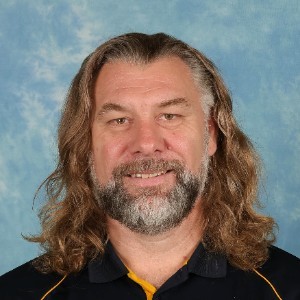
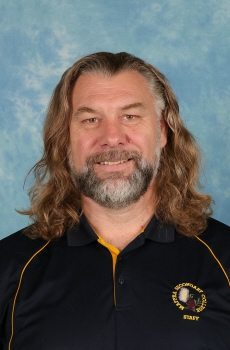
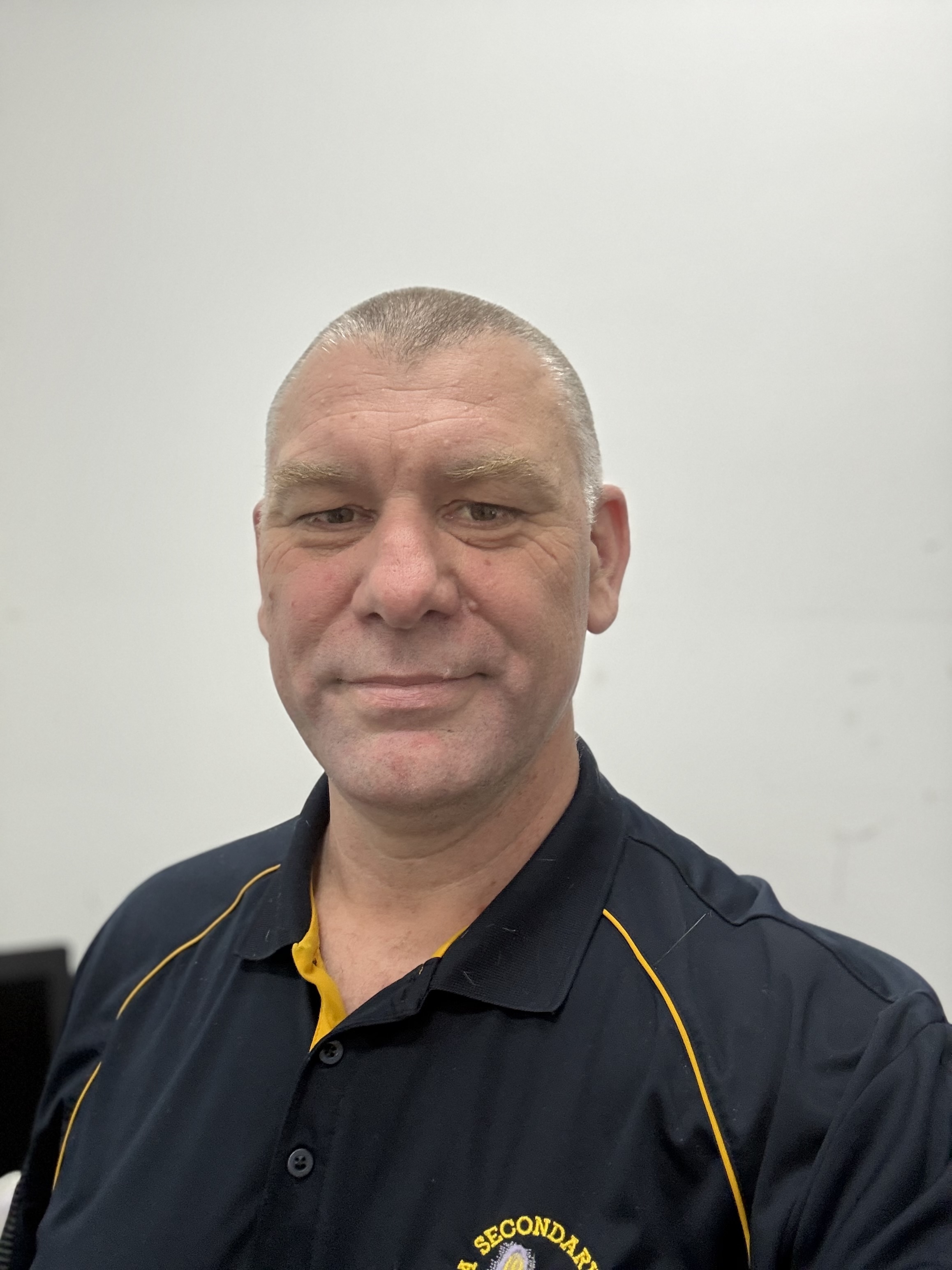
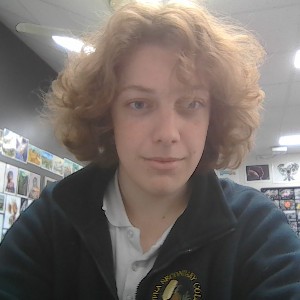
This year I'm taking part in the World's Greatest Shave as part of our school team.
What many people don't know is that several years ago, while donating blood, I made a casual, off-the-cuff decision to tick a box and join the Australian Stem Cell Donor Registry.
What I didn't realise at the time was that this simple decision would set me on a path that would stay with me forever.
Then in 2023, I received a phone call that changed everything. I had been identified as a potential match for someone needing a stem cell transplant.
What followed was months of communication with the donor program, specialist blood tests, health screenings and compatibility checks to make sure I was still a suitable match.
Once everything was confirmed, I spent a week having daily injections to stimulate stem cell production. I'd be lying if I said they were painless. By the end of the week, my bones ached like I'd spent days in the gym doing heavy strength training.
Before I knew it, I was making the trip to Peter MacCallum Cancer Centre in Melbourne for the donation itself.
As someone from regional Victoria, walking into Peter Mac was an eye-opening experience. The size of the hospital, the number of patients, families and staff, and the scale of what happens there every day was something I'd never experienced before.
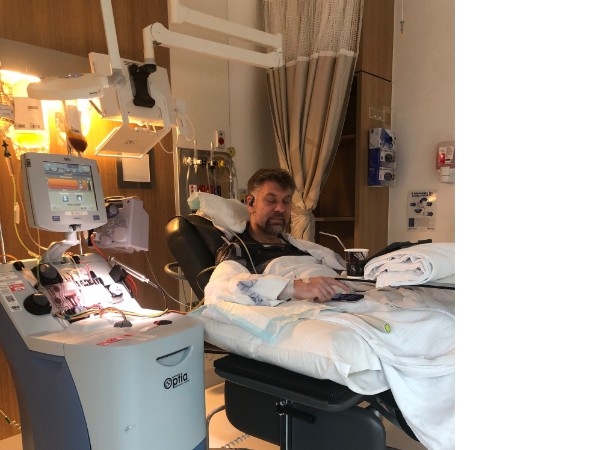
On the day of the donation, I was taken into a treatment room and connected to an apheresis machine. The machine draws blood from one arm, separates the stem cells, and then returns the remaining blood back through the other arm.
Apart from the two needles required to establish the circulation, the procedure itself was painless. The donation took around eight hours, most of which was spent sitting in a chair waiting for the machine to do its work.
One thing I learned was that donated stem cells need to be transplanted within a relatively short timeframe. Knowing that, I was very aware that somewhere there was a person waiting for this donation and hoping everything went to plan. I could only imagine what they and their family were going through.
Following the donation, I remained in contact with the donor program and completed follow-up blood tests and health checks to make sure I was recovering well and that the donation process hadn't impacted my own health.
About six months later, I received a message through the donor program from the recipient. Part of it read:
"Fortunately, the procedure has been lifesaving so far with no indication of significant problems. My recovery has been ahead of schedule and allowed me to be fully back with family and able to return to some work."
The recipient also shared words that I found both humbling and deeply moving:
"I and my family are enormously grateful now, and will be forever so appreciative, for your generosity, humanity and selfless commitment."
Receiving that message was something I'll never forget. Looking back, it's incredible to think that a simple decision to tick a box while donating blood years earlier led to this moment.
That experience is a big part of why I've decided to take part in the World's Greatest Shave.
I'm raising funds for the Leukaemia Foundation to support Australians and families facing blood cancer, while also helping raise awareness of stem cell donation.
If you're able to donate, I'd be incredibly grateful for your support.
I'd also encourage anyone who is healthy and eligible to consider joining the Australian Stem Cell Donor Registry at:
🔗 https://stemcelldonors.org.au/
Whether it's a donation, sharing this page, or joining the Stem Cell Donor Registry, every action has the potential to make a difference.
Thank you for your support.


You’re an inspiration mate